Mexico was classified as one of the top five most megadiverse countries, representing 12% of global biodiversity in just 1.5 percent of global land surface”
World Bank, 2020
Program History
Por un México Palmero Sustentable
The Holistic Program is a comprehensive response to the challenge of promoting sustainability in the palm oil sector in Mexico.
Envision a Mexico where palm oil is produced sustainably, protecting biodiversity, and improving the quality of life for small-scale producers. This is precisely what the Holistic Program aims to achieve, an initiative of collaboration among leading companies such as PepsiCo, Oleopalma, Nestlé, Cargill, Oleofinos, Proforest, Femexpalma, and RSPO.
An Inclusive and Collaborative Program
The Holistic Program aims to support the sustainable development of the Mexican palm oil sector, ensuring a positive impact on communities while respecting human rights and biodiversity. Its focus encompasses the inclusion of small independent producers, capacity building in sustainability matters, and the promotion of thriving communities and ecosystems within the palm oil sector in Mexico through collaboration and dialogue among all stakeholders. By joining forces, all companies and supply chain actors are committed to adopting sustainable best practices and generating a positive impact.
An Inspirational Model
We aspire to be an inspirational model of sustainable development for the palm oil industry in Mexico. By showcasing its impact and positive outcomes, our goal is to inspire more companies and organizations to join this noble cause.
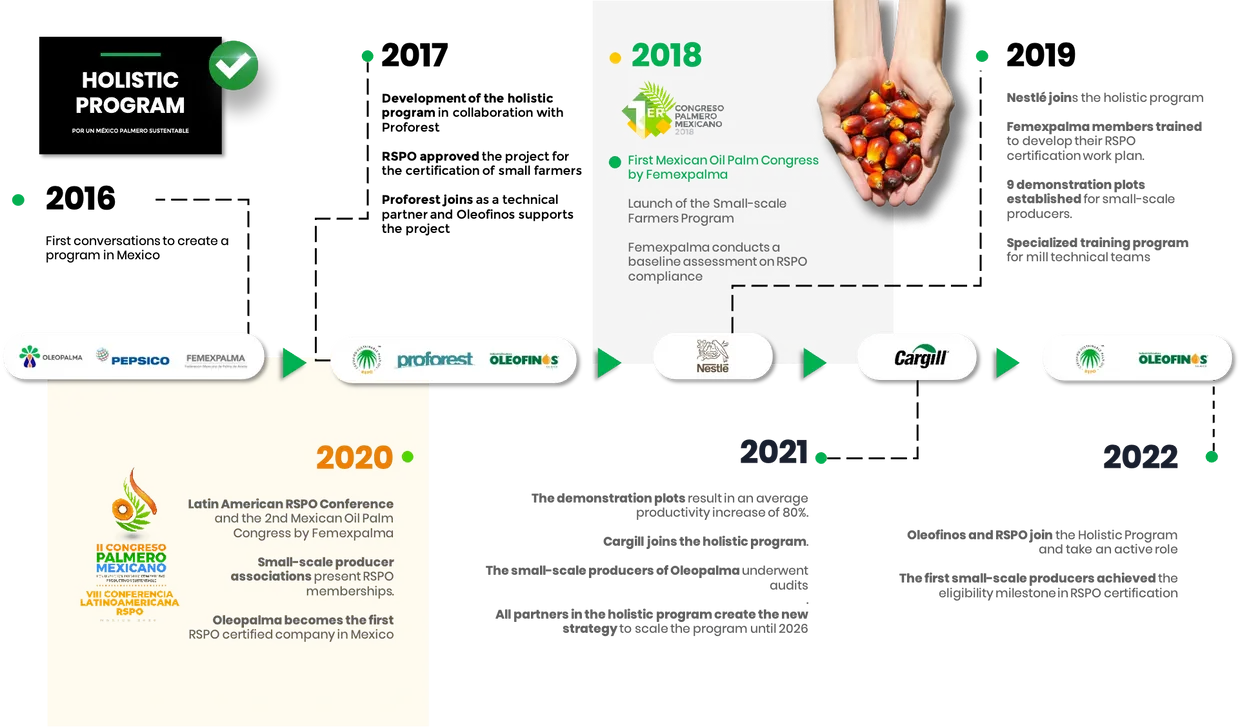
Historical Journey of the Holistic Program
Opportunities for sustainable development
Opportunity to verify additional lands beyond areas affected by deforestation.
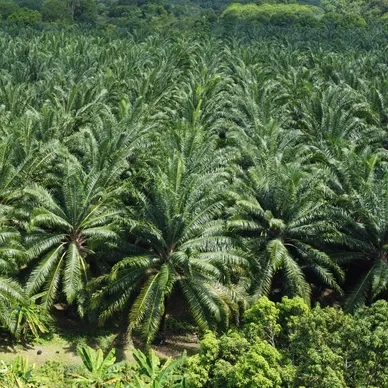
We have established verification and certification mechanisms to ensure that the areas used for oil palm cultivation are free from deforestation. This measure is crucial to protect biodiversity, ecosystems, and local communities, as well as to maintain a positive and sustainable image of the sector.
Promote greater inclusion of women in the sector:
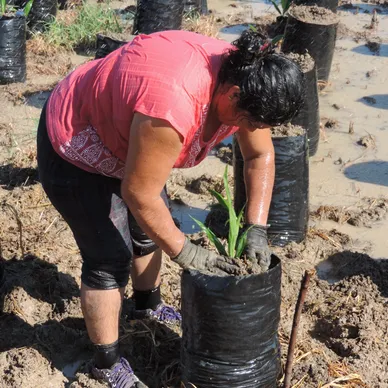
We promote active and equitable participation of women in all areas of the palm oil sector. To achieve this, initiatives are implemented to promote equal opportunities and training, enhancing diversity of perspectives and the workforce, which will contribute to sustainable development and equity in the communities involved.
Enhance compliance with legal and environmental/social standards.
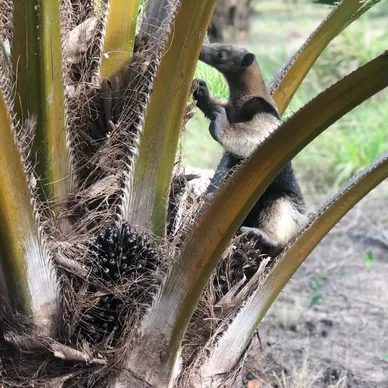
We ensure that all operations and activities related to palm oil production comply with current environmental and social laws and regulations. The implementation of responsible and ethical practices will help reduce negative environmental impacts, protect workers’ rights and local communities, and strengthen the sector’s reputation and sustainability.
Enhance sectorial capacities:
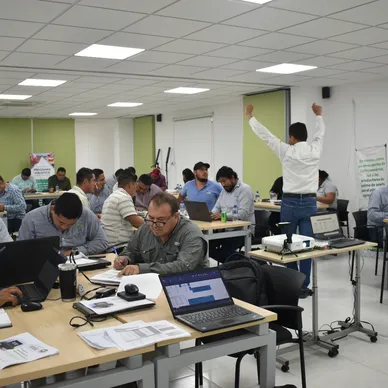
We aim to strengthen the skills and knowledge of stakeholders in the palm oil sector, including producers, workers, and companies. Through training and professional development, the program aims to increase efficiency, innovation, and the quality of the end product. This approach aims to promote a more competitive and sustainable sector.
Increase productivity levels:
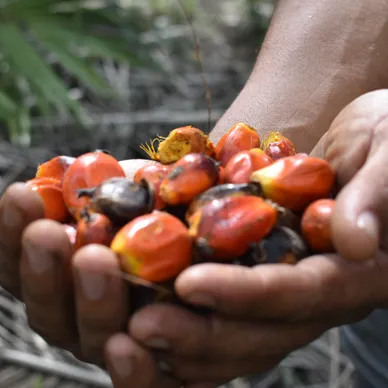
We enhance efficiency in palm oil production to achieve higher yields with fewer resources. By implementing more efficient practices and appropriate technologies, the program aims to alleviate the pressure to expand into new cultivation areas, reduce costs, and enhance profitability for both producers and companies.
Improve living conditions of the communities:
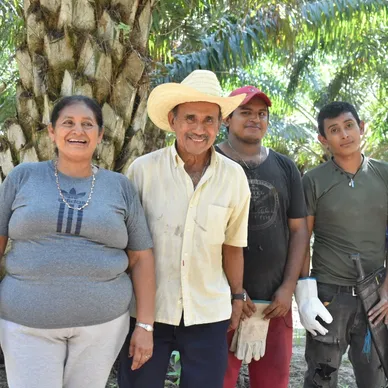
We are dedicated to working on projects and practices that directly benefit local communities associated with the palm oil sector. We focus on aspects such as providing access to basic services, improving education, health, infrastructure, and creating sustainable economic opportunities. By improving the well-being of the communities, the sector can strengthen its relationship with them and promote long-term sustainability for mutually beneficial growth